Close to molded,without the mold.
Vacuum Casting (Silicone Molding)
For parts that need to look injection molded, at quantities too small for a mold.
FORMFTY MANUFACTURE — a FORMFTY HUB company
FORMFTY MANUFACTURE does vacuum casting (silicone molding) in Taipei, Taiwan for parts with demanding cosmetic requirements that don't yet justify a production mold, such as show samples, test-sale units and engineering validation parts. We 3D print a master, make a silicone mold from it, and cast resin parts under vacuum.
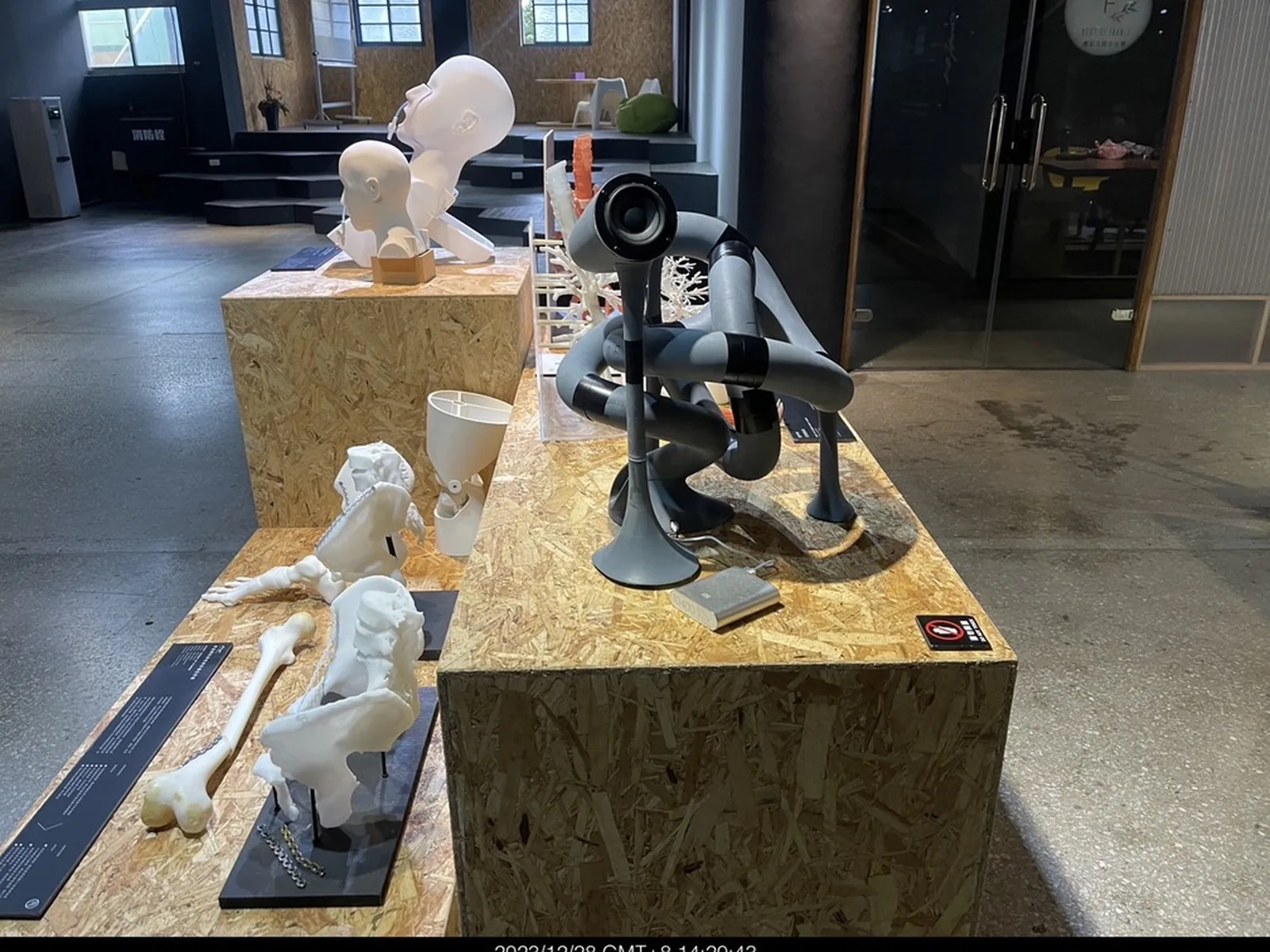
Process
- Master
- The master is 3D printed with a fine-surface process and finished to the look you need. Every mark on the master gets copied, so this step isn't rushed.
- Mold
- A silicone mold is made from the master.
- Casting
- Resin is cast under vacuum to reduce bubbles.
- Finishing
- Trimming, painting and assembly.
Good fit and poor fit
- Good fit
- Appearance parts, clear parts or soft (rubber-like) parts, plus small runs of test-sale units and show samples.
- Poor fit
- High-volume production, or parts that must have the properties of a specific engineering plastic. In those cases, injection molding is the right choice.
How to choose
Very few parts, needed fast: 3D print them directly. Need the look and feel of a molded part: consider vacuum casting. Large volume with a fixed spec: make the mold. Our engineering notes go into the differences between the three.
Confidentiality, quality and response time
- Confidentiality
- We can sign an NDA before we look at your files. Confidential projects are handled by a dedicated person and shipped under a code name.
- Quality
- ISO 9001 quality management system. Parts that don't meet spec are remade, guaranteed.
- Response
- Inquiries get a first reply within 6 working hours (Taiwan time, GMT+8).
- Formal quote
- The 6-hour reply is a first response: we confirm what you need and ask for anything missing. The formal quote comes separately, based on your files, quantity and material.
Questions we often get
- How many parts can one silicone mold make?
- A common rule of thumb for silicone molds is about 50 castings, but it depends on part shape, size and material. We assess it from your files when you ask for a quote.
- Can you do it without a 3D file?
- Yes. We can 3D scan an existing part or model from your sketch first, then make the master.
- Vacuum casting, 3D printing or injection molding: which should I choose?
- Very few parts, needed fast: 3D print them directly. Need the look and feel of a molded part: consider vacuum casting. Large volume with a fixed spec: make the mold.
- Can clear or soft parts be vacuum cast?
- Yes. Clear parts, soft parts and appearance parts are all well suited to silicone molding.
- When is vacuum casting not a good fit?
- High-volume production, or parts that must have the properties of a specific engineering plastic. In those cases, injection molding is the right choice.
Tell us what you want to make. We will handle the rest.